Mysterious Americana Catalog: ‘Barmuda Triangle’

M-A-C (26):’Barmuda Triangle’

Category: whatsit

Collection Date: April 13th, 1985

Collection Location: (REDACTED), Georgia

Collection Report: The MAC is not to be confused with the establishment where it was found, also called ‘Barmuda Triangle’: a tropically themed purveyor of alcohol with a stable of billiards tables. For each there is a triangular ball rack with a decal lining the exterior that depicts palm tree silhouettes against an exaggerated orange-to-violet sunset.

Only one is MAC-26, indistinguishable from the rest initially. The catalog’s attention was drawn when several patrons of the bar, all with the same profession of pilot, went missing. There was never any clue in the disappearances, not so much as an empty car where it shouldn’t have been or an article of clothing. Shortly after their visit, six men were simply gone.

Beyond their jobs they all had one thing in common, having played a game on the furthest table from the entrance, next to the jukebox wearing the hula skirt and the coconut bra. Presumably they all handled MAC-26, which was singled out as the culprit from one witness report by (REDACTED): a fellow pilot shooting the breeze and pool with his coworker but who did not go missing, having touched everything at the table but the rack.

The catalog was able to purchase the item from the owner with no fuss as a ‘souvenir’. It is not to be touched by anyone who has ever flown an airplane or helicopter.

Current Collector: Joanna V. Satellito, provisional senior rank

Notes from Collector: “I’m banking on one of those boys reappearing. Need myself a fourth husband.”

Current Status: active

previous entry/next entry

Thylux & Rezzer

Thylux & Rezzer

Designation: the THYLACINE & SPECIES RESURRECTION cillimorphs

Group: MAMMALISH

Native Biomes: PLANET SCORCHER & CYBERSPACE

Size: SMALL

Interesting Facts: Thylux and Rezzer disappeared from a lot of desert subhabitats, but went online and gathered DNA data on their lineage, represented as black ornamentation on their bodies. They were able to use it to ‘resurrect’ themselves into extirpated areas in a process that we really don’t understand the first thing about, but hey, good for them I guess.

Previous Cillimorphs

Field Guide Intro

Next Cillimorphs

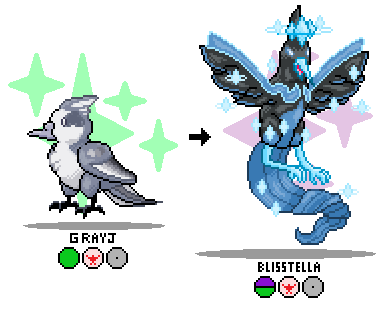
Jackbydaw & Jackbyrook

Jackbydaw & Jackbyrook

Designation: the JACKDAW, ROOK, & SPRING-HEELED JACK cillimorphs

Group: BIRDISH

Native Biomes: PLANET BOLDERO & PLANET URBANIAK

Size: SMALL & MEDIUM

Interesting Facts: Jackbydaw’s sharp eyes take in a million factoids that are turned to sinister shenanigans once it matures into Jackbyrook, bounding all over dense environments on its spring-loaded legs in search of the best way to become a thorn in someone’s paw.

Previous Cillimorphs

Field Guide Intro

Next Cillimorphs

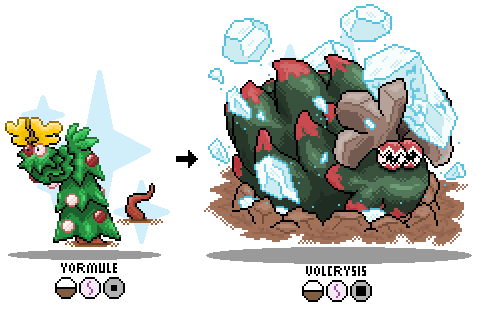
Pudlich & Grownonmi

Pudlich & Grownonmi

Designation: the LICHEN & OLD MAN’S BEARD cillimorphs

Group: GROWER

Native Biomes: PLANET WOODZY & PLANET SCORCHER

Size: SMALL

Interesting Facts: Ubiquitous wherever there is a surface to grow on, these morphs are pretty chill about being treated as part of the background. You can even sit on them and they won’t mind at all, as long as you don’t care if any snacks or trinkets go missing from your pockets.

Previous Cillimorphs

Field Guide Intro

Next Cillimorphs

Wackykrak & Thwackinkraken

Wackykrak & Thwackinkraken

Designation: the COSMIC HORROR KRAKEN cillimorphs

Group: SPINELESS

Native Biomes: PLANET BRRR & OUTER SPACE

Size: MEDIUM & LARGE

Interesting Facts: These loopy morphs behave more erratically the more cracked their iceberg mantles are. Thwackinkraken lurks in the darkest recesses, talking to its ice-vice hand puppets as if they have minds of their own, which they totally might.

Previous Cillimorphs

Field Guide Intro

Next Cillimorphs

Jifi & Rankatan

Jifi & Rankatan

Designation: the FIJI MERMAID & ARAPAIMA cillimorphs

Group: FISHY

Native Biomes: PLANET WOODZY & CYBERSPACE

Size: SMALL & MEDIUM

Interesting Facts: These rather boring fishies become menaces when they go online and bottom feed on way too much data about cryptozoology and scam taxidermy, which transforms them into arm wielding monkey freaks getting all up in your business.

Previous Cillimorphs

Field Guide Intro

Next Cillimorphs

Udidu & Dusksud

Udidu & Dusksud

Designation: the UPSIDE DOWN JELLYFISH cillimorphs

Group: COLONIAL

Native Biomes: PLANET SPLISHY & OUTER SPACE

Size: SMALL & MEDIUM

Interesting Facts: Udidu can be found in vertically flipped orientations, with nobody knowing which side was the original right side up. Things just get more complicated with Dusksud, which is both upside down and right side up at all times.

Previous Cillimorphs

Field Guide Intro

Next Cillimorphs

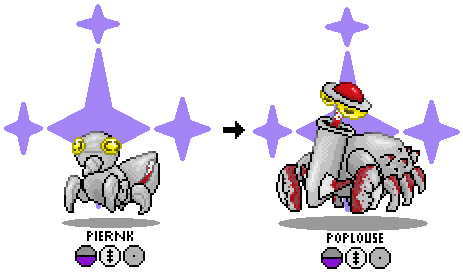
Burlump & Lassodeo

Burlump & Lassodeo

Designation: the BURLAP SACK, TRAPDOOR SPIDER, & LASSO cillimorphs

Group: SEGMENTED

Native Biomes: PLANET SCORCHER & PLANET BOLDERO

Size: SMALL

Interesting Facts: Burlump’s silky sleeping bag is practice for the trapdoors it will craft as an adult by lashing pieces of wood together. It saves its freshest strongest silk, recognizable by its iridescent blue color, to make lassos, you know, for messing with people.

Previous Cillimorphs

Field Guide Intro

Next Cillimorphs

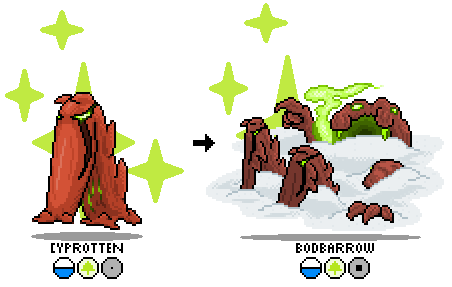
Hissken & Slitherazor

Hissken & Slitherazor

Designation: the THERIZINOSAURUS & INTERNET BOOGEYMAN cillimorphs

Group: REPTOPHIBIAN

Native Biomes: PLANET URBANIAK & CYBERSPACE

Size: SMALL & MEDIUM

Interesting Facts: Equally at home in shadowy alleys and discarded pipes, Hissken and Slitherazor can fit into almost any space whether they’re using their serpentine dead zone forms or their more robust bodies filled out with gruesome details from internet tales of stalking monsters.

Previous Cillimorphs

Field Guide Intro

Next Cillimorphs

Tarf & Crossecco

Tarf & Crossecco

Designation: the STARFRUIT & CROSS-SECTION cillimorphs

Group: GROWER

Native Biomes: PLANET BOLDERO & OUTER SPACE

Size: SMALL & MEDIUM

Interesting Facts: They’re growers, but they never really take root, hanging from random trees and structures as if they were born there. When they fall they rarely hit the ground, as they’re fully capable of free flight thanks to stored solar energy and an aerodynamic shape. The adult is divided into sections so it can vent some of this incredible energy.

Previous Cillimorphs

Field Guide Intro

Next Cillimorphs