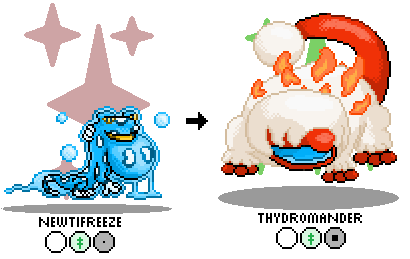
Newtifreeze & Thydromander

Newtifreeze & Thydromander

Designation: the ANTIFREEZE & GAS HYDRATE SALAMANDER cillimorphs

Group: REPTOPHIBIAN

Native Biomes: PLANET BRRR

Size: SMALL & MEDIUM

Interesting Facts: Newtifreeze generates an antifreeze slime that it keeps itself coated in to deal with Brrr’s harsh temperatures. Thydromander converts it into a coat of flammable snow so that when it’s resting it sometimes looks like a snowbank got doused in lighter fluid and set ablaze.
Previous Cillimorphs

Field Guide Intro

Next Cillimorphs

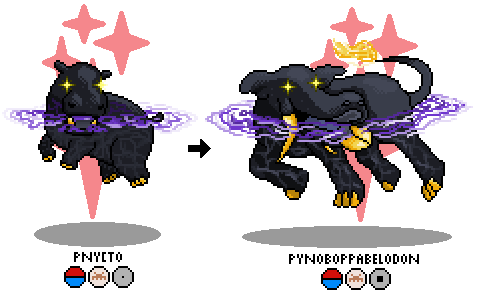
Pnycto & Pynoboppabelodon

Pnycto & Pynoboppabelodon

Designation: the PYGMY HIPPO & PLATYBELODON cillimorphs

Group: MAMMALISH

Native Biomes: PLANET SCORCHER & PLANET SPLISHY

Size: SMALL & MEDIUM

Interesting Facts: Hiding in warm pools and rivers during the day, Pnycto and Pynoboppabelodon only surface at night, their golden eyes, teeth, and nails glittering enticingly. It’s all a sort of fool’s gold though, as when they pass away their remains lose all luster.

Previous Cillimorphs

Field Guide Intro

Next Cillimorphs

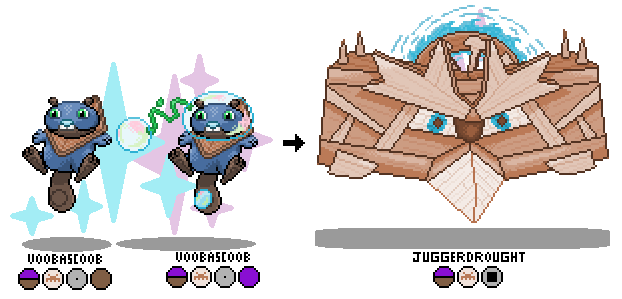
Voobascoob & Juggerdrought

Voobascoob & Juggerdrought

Designation: the BEAVER & BEAVER DAM cillimorphs

Group: MAMMALISH

Native Biomes: PLANET BOLDERO & OUTER SPACE

Size: SMALL & LARGE

Interesting Facts: Voobascoob love to build dams in rivers and as artificial asteroids. When in space they wear toothcrafted bubble helmets and store extra air, but not because they’ll die without it; they just really prefer the fresh pine scent of mountain ranges to the chalky aftertaste of background radiation. There is little difference in form when they mature, except several band together to build and man a dam vessel they rarely leave again.

Previous Cillimorphs

Field Guide Intro

Next Cillimorphs

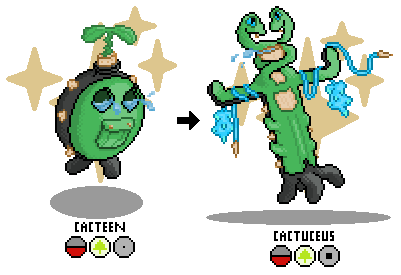
Cacteen & Cactuceus

Cacteen & Cactuceus

Designation: the CANTEEN & IV CACTUS cillimorphs

Group: GROWER

Native Biomes: PLANET SCORCHER & PLANET URBANIAK

Size: SMALL & MEDIUM

Interesting Facts: Cacteen stores water in its hollow body, knowing it has enough when it starts to pour out of its eye spots. It loves finding people stranded in the desert and giving them something to drink, almost as much as it loves giving them a snack out of its widdle button-up mouth pouch. Cactuceus is practically a paramedic, its rain barrel trunk filling its IV bag fruits which can then be fed into needy veins by its natural needles.

Previous Cillimorphs

Field Guide Intro

Next Cillimorphs

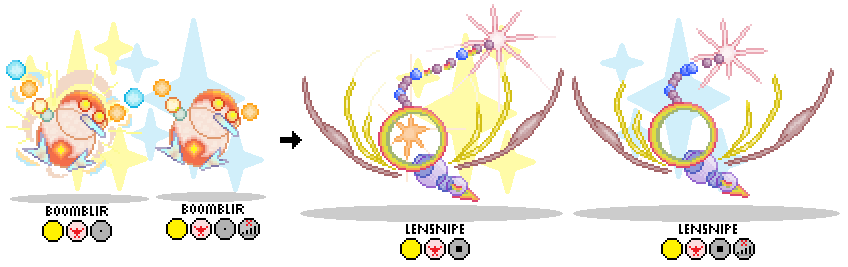
Boomblir & Lensnipe

Boomblir & Lensnipe

Designation: the LENS FLARE cillimorphs

Group: BIRDISH

Native Biomes: CYBERSPACE

Size: SMALL & MEDIUM

Interesting Facts: These birdish fellows lurk in the grooves of cyberspace between hardware and software, waiting to leap out of digital camera lenses and ruin your photos with the extreme glare of their bodies. Birdish-watchers are particularly frustrated with seeing these particular beaks and wings all the time.

Previous Cillimorphs

Field Guide Intro

Next Cillimorphs

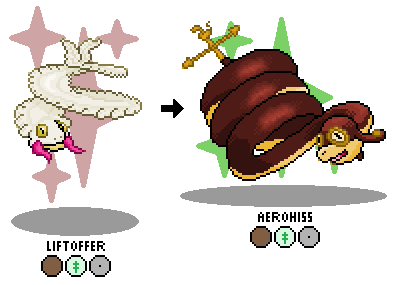
Liftoffer & Aerohiss

Liftoffer & Aerohiss

Designation: the AERIAL SCREW & WEATHER VANE GLIDING SNAKE cillimorphs

Group: REPTOPHIBIAN

Native Biomes: PLANET BOLDERO

Size: SMALL

Interesting Facts: The aerial screw was never a sound aircraft design, but it totally works if you generate a silliness field. When Liftoffer matures it trades the feathery down it uses to glide for a body like a rubber hose full of buoyant gas, its rattle acting as a weather vane. Add that to its goggle eyes and you get an aviator snake that can cross multiple mountain ranges without ever touching down.

Previous Cillimorphs

Field Guide Intro

Next Cillimorphs

Tocktopass & Cuttlechron

Tocktopass & Cuttlechron

Designation: the BRANCHING TIMELINE & FINGER PUPPET CUTTLEFISH cillimorphs

Group: SPINELESS

Native Biomes: OUTER SPACE

Size: SMALL

Interesting Facts: Lots of the energy in outer space is actually temporal in nature. Tocktopass manipulates it to swim faster, with one tentacle eventually becoming characterized by its stroking through the past, and the other the future. Cuttlechron manipulates not only forward and backward time-ripples, but also those in direction not comprehensible to humans, with the build-up of adjacent dimensions forming into what we perceive as finger puppets.

Previous Cillimorphs

Field Guide Intro

Next Cillimorphs

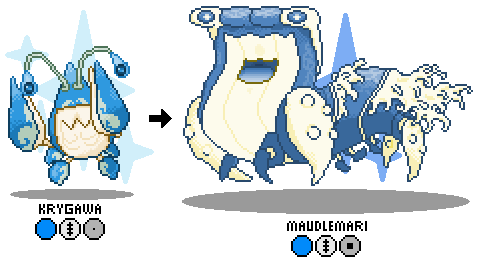
Krygawa & Maudlemari

Krygawa & Maudlemari

Designation: the BLUE LOBSTER cillimorphs

Group: SEGMENTED

Native Biomes: PLANET SPLISHY

Size: SMALL & MEDIUM

Interesting Facts: These rare cillimorphs only hang out in the purest seawater. It is said that if you put one bare foot into their surf, they’ll be so grossed out by your sweaty stank that they won’t return to that spot for years to come.

Previous Cillimorphs

Field Guide Intro

Next Cillimorphs

Clickabur & Exclickabur

Clickabur & Exclickabur

Designation: the EXCALIBUR IDLE GAME cillimorphs

Group: COLONIAL

Native Biomes: PLANET WOODZY & CYBERSPACE

Size: SMALL & LARGE

Interesting Facts: Clickabur’s strange method of locomotion helps it build up rocky muscle that will enhance its size and strength when it matures. By pumping the sword-limb sticking out of its head it can pogo on the blade that pops out of the bottom. Extra strength is further expressed after maturation by forming into hand-shaped nodules that endlessly poke Exclickabur in the face, stimulating thought and ensuring focus.

Previous Cillimorphs

Field Guide Intro

Next Cillimorphs

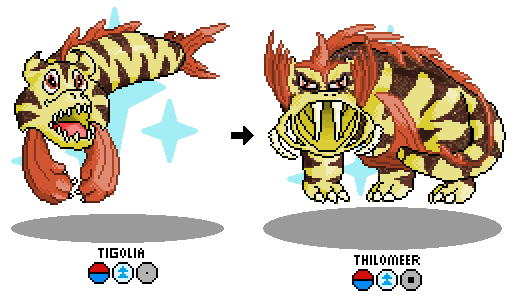
Tigolia & Thilomeer

Tigolia & Thilomeer

Designation: the GOLIATH TIGER FISH cillimorphs

Group: FISHY

Native Biomes: PLANET SCORCHER & PLANET SPLISHY

Size: SMALL & MEDIUM

Interesting Facts: Normally a fish can’t punch you in the mouth, nor can a fishy morph, but Tigolia is a smarting exception. If you’re in their territory they’ll leap right out of the water and pop you one. Then it’ll mature into a form with legs and chase you down just to drive the message home.

Previous Cillimorphs

Field Guide Intro

Next Cillimorphs